California's New EV Rebate Program Favors Local Manufacturers Over Tesla
California has launched an innovative electric vehicle incentive program, allocating significant funds to encourage the adoption of cleaner transportation. This new initiative introduces a substantial rebate, directly impacting the market dynamics for various EV manufacturers within the state. While the program aims for broad appeal, its specific criteria regarding company headquarters have created a competitive edge for certain brands, setting them apart from others.
California Unveils Progressive EV Rebate: Strategic Incentives with Local Focus
On July 13, 2026, California Governor Gavin Newsom officially enacted Senate Bill 168, establishing the 'MyFirstEV' program. This forward-thinking initiative is designed to provide first-time electric vehicle purchasers with an immediate ,500 rebate directly at the dealership, commencing in the late summer. The program is backed by a substantial 5.5 million in state funding, which is further amplified by a dollar-for-dollar matching contribution from participating automakers, creating a total pool of approximately 0 million in consumer savings. A notable feature of this program is its unique 'California-headquarters' stipulation, which grants a significant advantage to companies like Rivian and Lucid, while notably limiting the benefits for Tesla to its more affordable models.
Unlike previous application-based rebate systems, 'MyFirstEV' streamlines the process by offering an instant point-of-sale discount. This means eligible buyers can receive the price reduction immediately, without the hassle of paperwork or waiting for a check. Key provisions of the program include a ,500 rebate for new EVs with a manufacturer's suggested retail price (MSRP) up to ,000, and a ,750 discount for used EVs priced up to ,000. It is exclusively for first-time zero-emission vehicle (ZEV) buyers and has no income cap, with eligibility determined solely by vehicle price and a curb weight limit of 8,500 pounds, restricting it to light-duty passenger vehicles for California residents only.
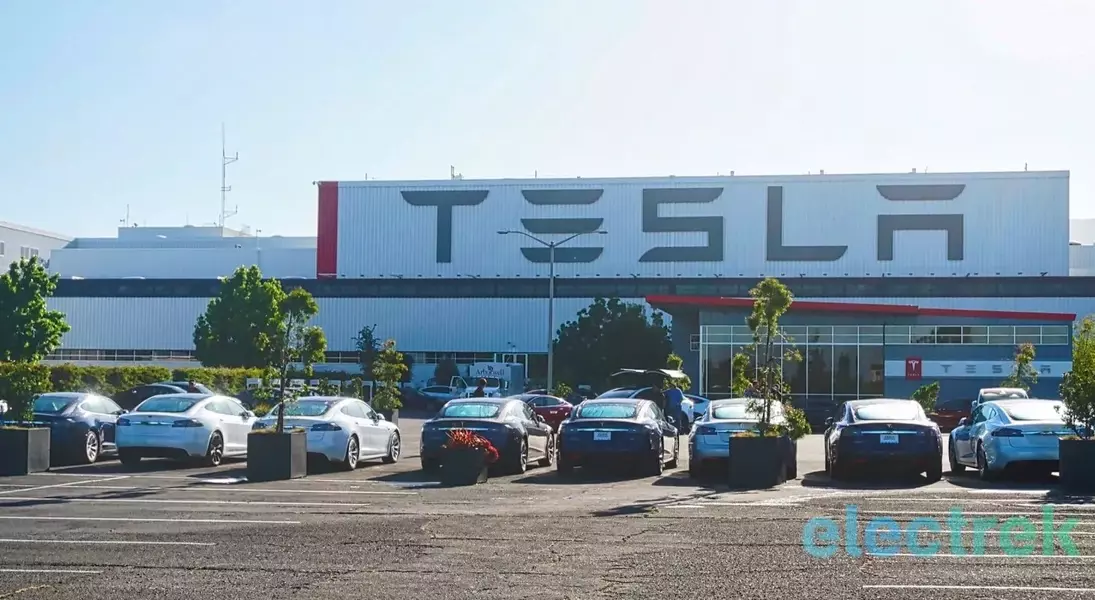
The most distinctive aspect of 'MyFirstEV' is the waiver of the ,000 price cap for EVs produced by California-headquartered, EV-exclusive automakers. This clause, intended to bolster in-state manufacturers, primarily benefits Rivian, with its engineering headquarters in Irvine, and Lucid, based in the San Francisco Bay Area. Their entry-level models, priced significantly above the standard cap, still qualify for the full rebate. Conversely, Tesla, having relocated its headquarters to Austin, Texas, in 2021, does not meet this criterion, meaning only its Model 3 and Model Y configurations under ,000 are eligible.
This initiative forms a core component of a broader 0 million zero-emission vehicle package within the 2026-27 state budget. The funding is sourced from Cap-and-Invest revenue and smog-abatement fees, with additional allocations for programs such as the Community Air Protection Program and the Clean Truck and Bus Voucher Incentive Project. California's proactive stance is a response to a recent downturn in U.S. EV sales following the repeal of the federal EV tax credit, aiming to reinvigorate its own EV market, which saw a decline in market share to 15.7% in the first quarter, far below its 35% target for the year.
The innovative structure of California's latest electric vehicle incentive program, with its instant point-of-sale rebate, is undoubtedly a positive development for encouraging EV adoption. This direct financial benefit, coupled with the focus on first-time buyers and the inclusion of used EVs, efficiently leverages the allocated funds to expand the electric vehicle market. However, the contentious 'California-headquarters' exemption raises valid questions regarding fairness and its actual impact on state manufacturing. While the intent to support local industry is understandable, rewarding a company's corporate address over its in-state manufacturing footprint, especially when a significant employer like Tesla produces numerous vehicles within California, seems to prioritize political statements over equitable economic benefits. This aspect of the program risks undermining its otherwise commendable goals and could potentially invite legal challenges, highlighting a tension between local industrial policy and broader market principles.